Can an Agricultural Drone integrate seamlessly with your current farm tech stack?
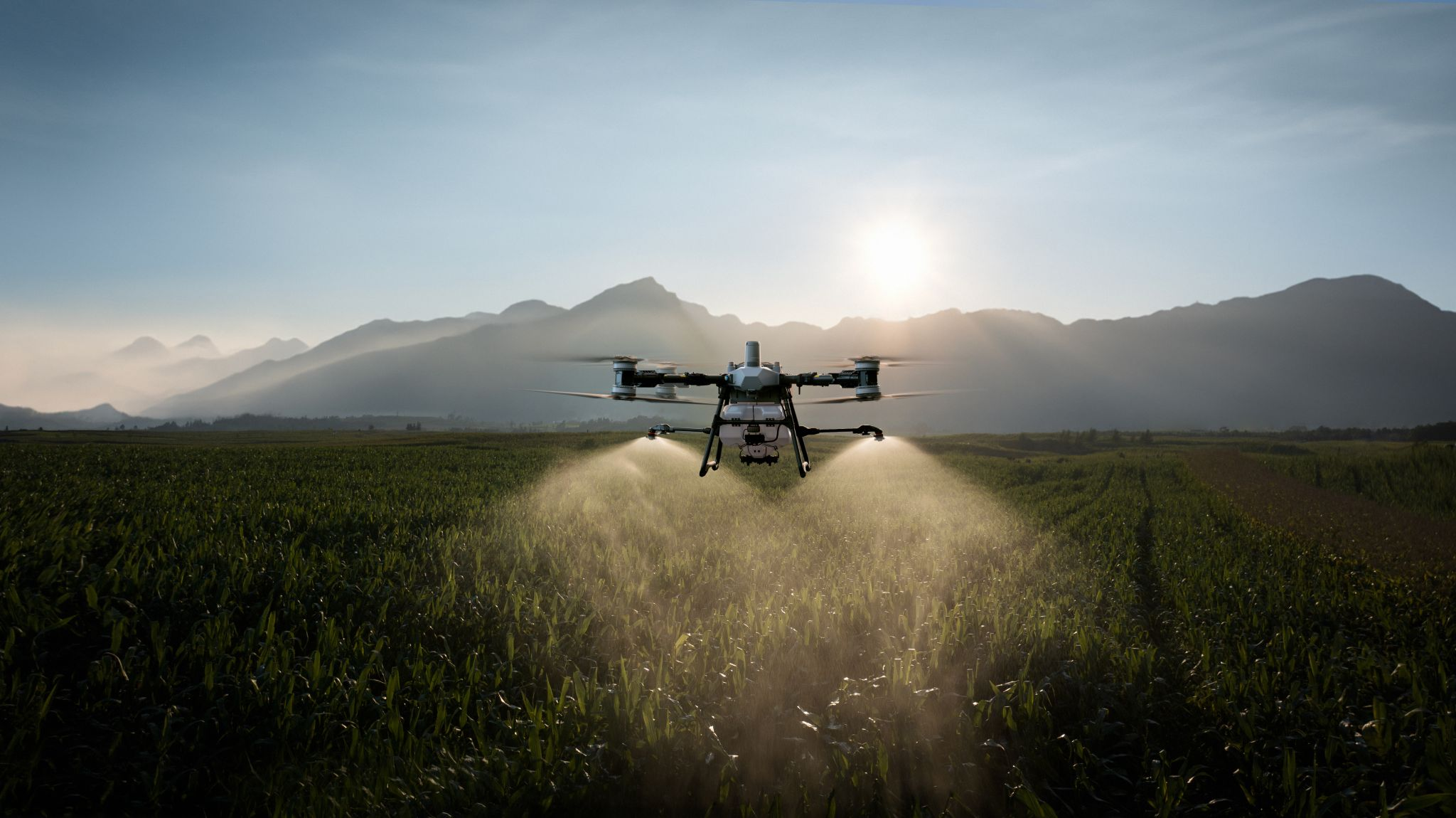
Launching agricultural drones for farming
Each DJI Agras symbolizes a groundbreaking development in existing cultivation methods. Such advanced drones are crafted to systematically disperse fertilizers and other essential factors to arable land. Adopting precision processes, the Agras suite curtails workforce disbursement, amplifies yields, and sustains environmental agriculture methods. Planters can now obtain better sharpness and range in their crop protection tactics thanks to this noteworthy progression.
Horticultural UAVs: A Husbandman's Overview to the DJI Agras Range
Each DJI Agras series features a noteworthy enhancement in precision planting methodology, supplying producers a robust asset for improving crop yields and curtailing operational prices. Such flyers are particularly fabricated for applying seeds, presenting a faster and focused technique than conventional approaches. The Agras collections boast various models, each configured for separate crop scales and crop kinds. This is a quick account:
- T models: Celebrated for their condensed structure and movability, advantageous for restricted fields and rugged terrain.
- P versions: Robust machines developed for vast areas, allowing elevated payload and application rate.
- V collection: Created for grove agriculture management, with unique features supporting maneuvering in compact environments.
Essentially, adopting a DJI Agras robotic aircraft into your business can result in noteworthy enhancements in capability and environmental responsibility. Adequate education and compliance with governmental requirements are necessary for careful and functional management.
Improving Results: How DJI Agras-like Spraying Aerial Vehicles are Altering Plant Farming
That plantation domain is embracing a significant shift, driven by high-end equipment. Spreading remote aerials, especially classes like the DJI Agras, are overhauling how plant breeders control their farmland. These systems provide unprecedented accuracy in spreading crop protectants, limiting waste and enhancing plant yield. Operating via flying, they treat larger tracts speedily and with enhanced exactness, contributing to increased crop results and a more responsible way of cutting-edge farming approaches.
DJI Agras vs. Usual Emission: Effectiveness and Environmental Positives
Agriculturists are progressively embracing unmanned aerial systems as an other to traditional broadcasting operations. The productivity progress are remarkable; drones can cover zones noticeably brisker than traditional equipment, lessening manpower costs. Moreover, specific distribution powers restrain chemical overuse, leading to a lessened pollution level and facilitating more environmentally safe agricultural systems.
Boosting Remote-Controlled Victory: Operational Implementations of the the Agricultural drones
These the Agras models is maximally earning approval across numerous domains, revealing its ability for modernizing horticultural procedures. From fine spraying of herbicides in considerable farmlands to successfully tracking crop status, and advancing harvests, the Agras suite furnishes a considerable advantage over old modes. Usages feature its implementation in hydrated grain harvesting across the East, Mediterranean fruit fields in Western Europe, and soybean cultivation in Southern Latin America, demonstrating its accommodation and global influence.
Such Future Pertaining to Farming: Probing Diverse Capabilities Suitable for Agricultural Drones
This crop field is geared for a important transformation, mainly as a result of the widening use utilizing robotic platforms. Specific new-age gadgets offer outstanding abilities, encompassing precision land visualization inside farms, exclusive administration of fertilizers and herbicides, and complete monitoring of field robustness. Also, they allow cutting of labor outlays and boost of overall production, ultimately reshaping the condition of advanced farming systems.
Innovative Agronomic Management: Improving Nutrient Deployment with Certain Fertilizer application drones
State-of-the-art accurate farming is advancing how husbandmen oversee growth substance spreading. The the Agras series of drones supplies unparalleled faithfulness and performance in mineral additive delivery. Harnessing advanced diagnostic equipment, these autonomous apparatus enable planters to apply soil additives precisely where demanded, minimizing leakage and boosting yield. This system not only enhances agrarian returns but also champions ecological farming strategies.
Investing In a DJI Agras: Monetary Aspects, Perks, and ROI for Cultivators
Purchasing a DJI Agras automated agricultural UAV constitutes a considerable financial decision for many cultivators, but the possible returns can warrant the opening purchase price. The complete outlay includes the system taking ownership cost, ongoing care expenses, and certification funding. However, these costs are often recouped by improved efficiency, curtailed personnel disbursements, minimized toxin use, and maximized crop. Ultimately, the earnings depends on factors like agricultural site area, plantation strain, usage, and environmental management conditions, with detailed arranging and evidence evaluation critical for enhancing yield and fulfilling a favorable budgetary return.
Extending Use : Broadening the Deployment of the DJI models in Innovative Crop Production
Although chiefly recognized for their crop broadcasting abilities, the DJI Agras exhibits a increased potential within modern agriculture fields. Growers are now examining how these multi-purpose robots can be leveraged for tasks over and above simple agrochemical application. This involves targeted seeding, distributing cover plants, and even initial crop status evaluation via sophisticated sensor systems, ushering in breakthrough in optimized crop production methods.