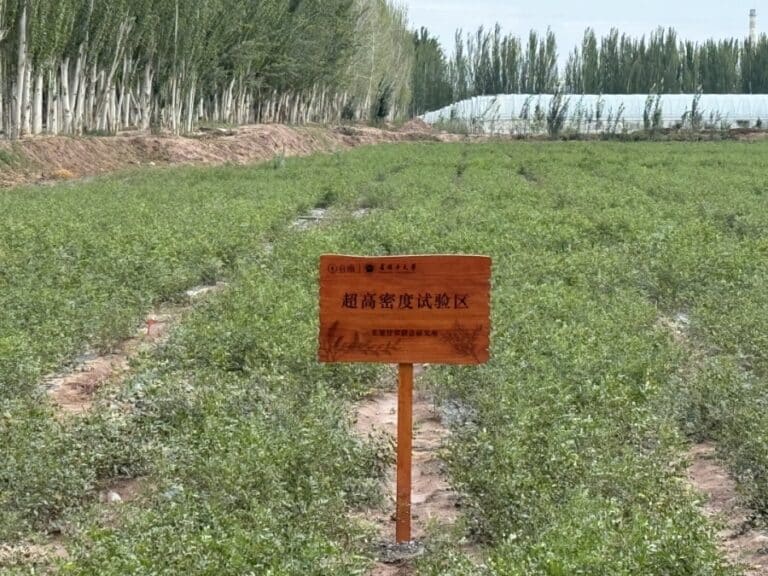
Can Chinese Medicinal Herbs support smoother recovery after illnesses?
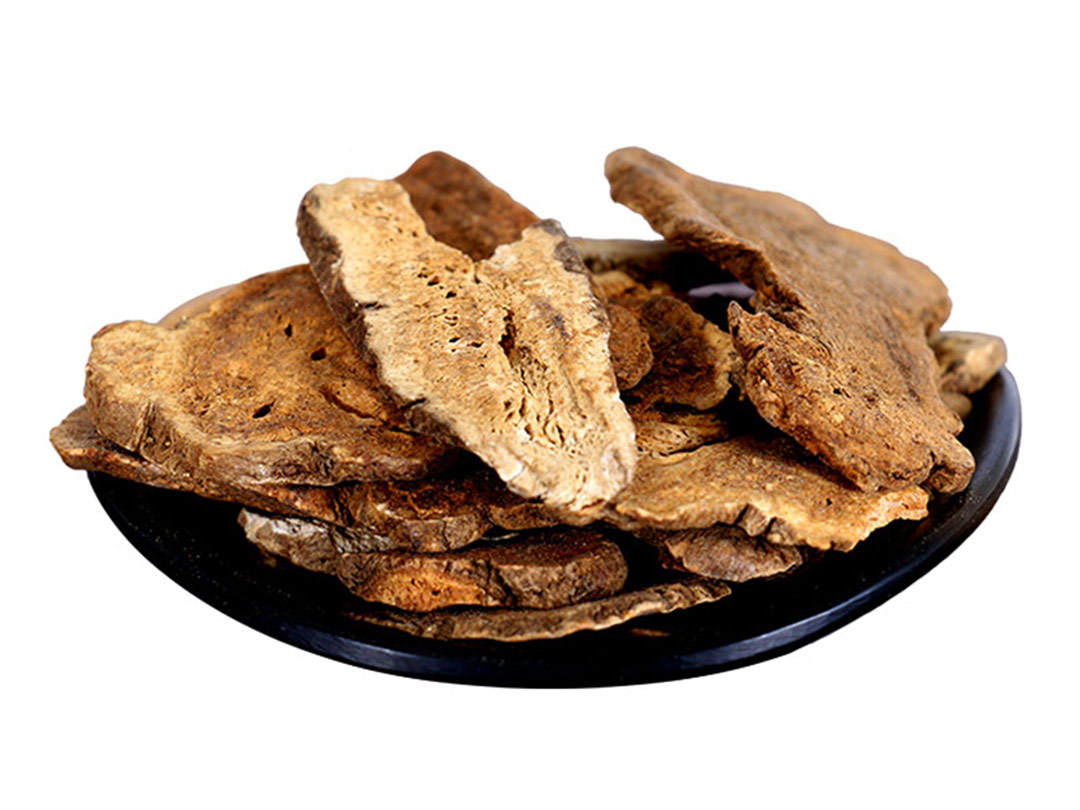
Delving into an adventure throughout Oriental organic care displays an environment of harmony and significant understanding.
Applying assorted leafy bits such as anchors, leaves, flowers, kernels, and even elements, targets the original causes of ailment while sustaining long-lasting health. Advising a certified specialist is advised before initiating any herbal regimen.
The potency of ancestry: delving into primordial Heritage recovering phytotherapies
For epochs, ancient Heritage therapy has relied upon a large and elaborate comprehension of the earthly realm, particularly its incredible gamut of greenery. This long-established approach, passed down through generations, incorporates these impactful elements – like ginseng, astragalus, and turmeric – to restore the body’s vital power, known as Qi. The concept behind their use isn’t simply about alleviating expressions; it’s a comprehensive approach aimed at dealing with the basal reason of unwellness, functioning with the body’s innate ability to fix. Many recent scientists are now opening to explore and corroborate these time-honored Chinese formulas finding validation backing their performance, uncovering the unchanging force and important understanding contained within this traditional system of restorative aid.
Classical Remedies: Pros, Utilizations, and Security Thoughts
For generations, Legacy healthcare have exploited a vast variety of natural remedies for addressing various illnesses. These natural remedies, sourced from wide-ranging regions, are thought to align powers within the body. Common employments extend to supporting bodily resistance, diminishing discomfort, and strengthening digestive performance.
- They are often be formulated in tailored recipes prepared for the individual's individual configuration.
- Regularly picked species like ginseng, ginger, turmeric, and astragalus contribute numerous potential benefits.
- Though often seen as, Chinese medicinal herbs are sometimes hazardous.
Old World Herbal Medicine: How It Works & What Conditions It Treats
Ancient Chinese healthcare herbalism is a multifaceted system of wellness that’s been practiced for numerous years. Rather than addressing isolated signs, TCM understands the body as an complete structure and focuses to recover balance to its vital life force, or "Qi" (pronounced “chee”). Natural compounds are accurately assembled by experienced practitioners who review a patient’s singular pattern of discrepancies – including factors like circulatory assessment, tongue analysis, and complete medical summary. The herbs themselves aren’t seen as simply fixing a condition; instead, they aim to fix the underlying root cause through numerous means, including optimizing system functions, easing sluggishness, and feeding deficits.
- Nourishes Qi
- Regulates intrinsic organs
- Breaks up stagnant energy
Uncovering Traditional Chinese Natural Remedies for Best Vitality
For extended intervals, Traditional Chinese Medicine (TCM) has adopted a vast assortment of herbs to enhance soundness. These plant-based treatments, consciously acquired and mixed, offer a exclusive approach to treating the deep causes of disorder within the body. Uncovering these powerful botanicals—like ginseng, astragalus, or goji berries—can be a valuable expedition toward reaching optimal health and sustaining your innate balance. Many participants are now seeking out this time-worn wisdom to strengthen modern healthcare methods and benefit from the deep-rooted benefits these herbs can deliver. It’s recommended to connect with a trained specialist before launching any new herbal regimen.
An Detailed Dive into Well-Known Chinese Botanical Applications
For centuries, Chinese healthcare has made use of a comprehensive array of natural cures, and many remain exceptionally popular today. Siberian Ginseng is perhaps the most famous, believed to enhance energy levels and overall vitality. Then there’s Yellow root, increasingly celebrated for its potent soothing traits, often combined with Sichuan pepper to increase absorption. Milkvetch root, another significant herb, is thought to boost the immune system and support healthy lung function, while Red berries are valued for their radical scavenging and contribution to eye health. These are just a few examples of the proven plants used in this ancient regimen – each with its own unique past and applications.
Integrating Chinese Herbalism with Western Treatment
The expanding interest in alternative approaches to fitness has fueled a considerable exploration of blending Chinese phytotherapy with traditional healthcare. This progressing field strives to exploit the singular strengths of both systems, potentially boosting patient outcomes for a variety of health issues. Practitioners are increasingly studying ways to safely incorporate these ancient practices, often alongside classical medical treatments, while following the importance of clinically tested protocols and patient safety.
Appreciating the Core Concepts Behind TCM Herbal Formulas
Analyzing Traditional Chinese Medicine’s (TCM) herbal practices exposes a captivating system far beyond simply combining plants. The framework of TCM formulation lies in appreciating the intricate association between Traditional Herbal Medicine yin and yang, the Five Elements (flora, fire, earth, metal, water), and the patient’s individual condition. Each herb possesses uncommon properties – its dynamism (warming, cooling, moistening, drying), taste characteristic (sweet, sour, bitter, spicy, salty), and meridian focus – which determine how it affects the body. Master herbalists thoughtfully evaluate these factors to assemble a integrated formula; one where herbs cooperate to manage the basic origin of an illness rather than merely curtailing indicators.
- Energy Harmony: Concoctions strive for a harmonious balance, often uniting warming and cooling herbs or moistening and drying ones.
- Wu Xing Framework: This oversees the identification of herbs to regulate disturbances within this rotational framework – for instance, using fire-element herbs to support earth-element deficiencies.
- Singular Approach: A specific illness (like a headache) may be treated with completely different herb compilations depending on the patient’s underlying pattern (overactive warmth, deficiency cold, etc.).
Any Science Integrates With Tradition: Explorations on Traditional Medicinal Natural Cures
For centuries, historic Chinese medicine has harnessed a large collection of plant remedies to treat various illnesses. Now, modern science is taking up inquiry into these practices, using sophisticated techniques to substantiate the capability and decipher the ways behind them. Specialists are analyzing the molecular elements of these natural remedies, researching their impact on cellular processes, and seeking to discover active materials that can be further developed into next-generation medicines. This crossroads of insight from old practices and contemporary scientific rigor promises to reveal a broader insight for the promise of Chinese medicine while also advancing conscientious and evidence-based approaches to its use.