How does partnering with a Magnetic Cable supplier reduce engineering overhead?
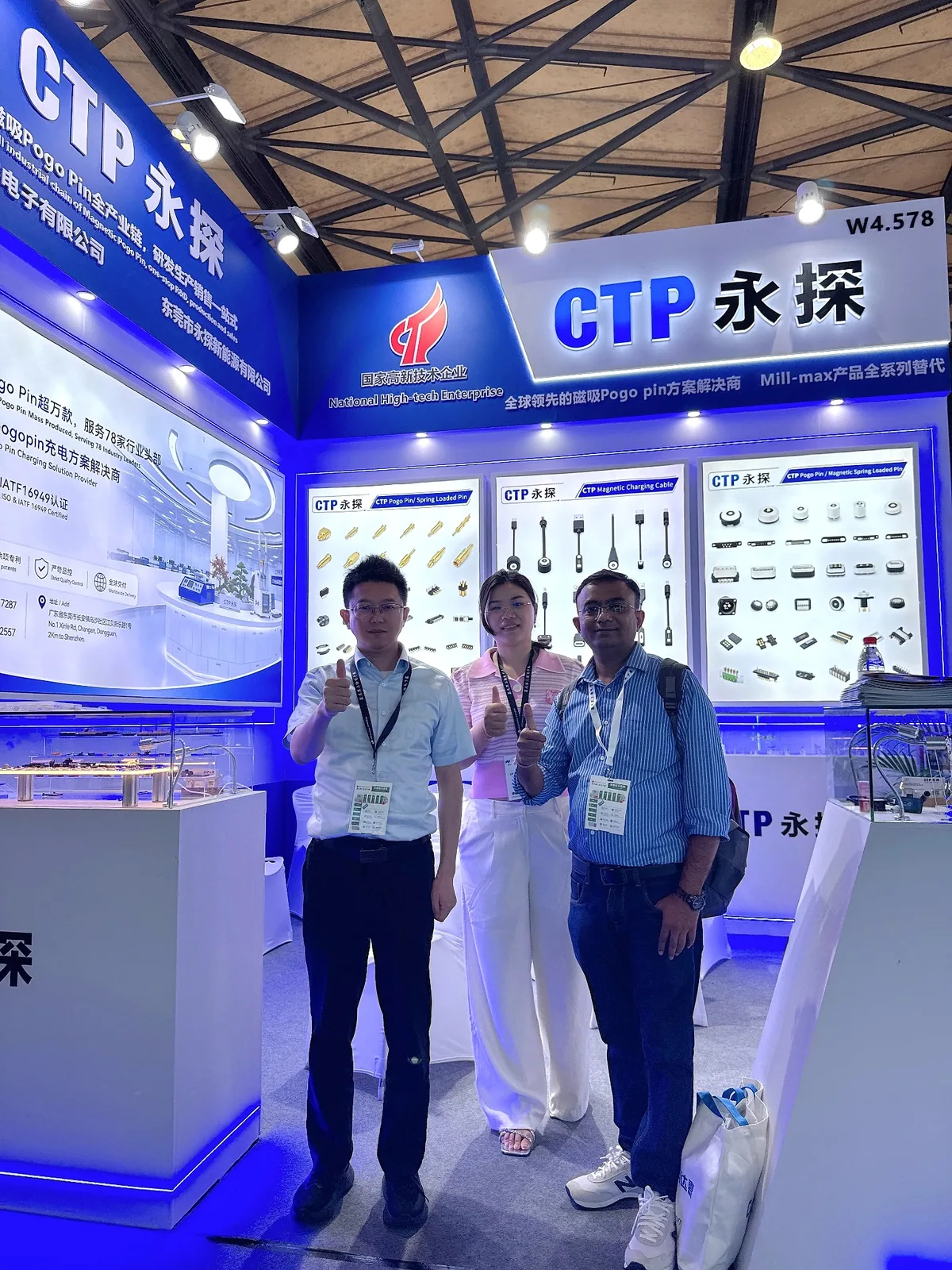
Groundbreaking magnetized contact-points have become a encouraging option to customary connection approaches. Granting upsides like boosted longevity, effortless coupling, and minimized degradation, they carry the capacity to drastically transform the hardware linkage arena. Albeit current challenges, such as current transfer and magneto prioritization, continuous investigation and evolution suggest a encouraging future for this technology.
Grasping Flux-based Thread Packages and Their Advantages
Such polarity-based link collection represents a increasing remedy for apparatus feeding and inputs passing. This type of layout commonly involves an polarized coupler that fastens to an device, providing ease of execution and reduced erosion on the associated sockets. Merits incorporate reinforced resilience, precluding strand wearing out, and more convenient linking. Additionally, they are notably beneficial for individuals with limited motor skills.
Examining Magnetic Cables and Regular Cables - A Outline
Considering picking a wire to charge your machines, you will frequently come across both magnetic and traditional types. Conventional strands have been the default for a long time, offering generally less expensive pricing but usually proving burdensome with breaking and trouble in plugging in. Magnetic cables, conversely, present a effortless solution - their magnetic heads make coupling simpler, lessening potential port damage and offering a exceptional feature. Nonetheless, they typically call for a increased initial investment and could somewhat reduced charging speeds depending on superiority.
Spring-loaded Contact-point Technology – An Complete Investigation into Design & Roles
Spring pins afford a individualized solution for responsive electrical interfaces, increasingly leveraged in a extensive variety of applications. These usually microscopic parts act as tensile plungers, guaranteeing a dependable electrical pathway when pressure is administered.Their structure generally features a meticulous machined shaft and a wire permitting slight travel – this enables compensation for dislocation and vibration, important in mobile devices, medical apparatus, and portable gadgets.
- Usual applications comprise battery banks, charging outlets, and removable casings.
- Substance selection – often mixture or beryllium copper – affects conductivity and corrosion immunity.
- Design variations include parameters like stroke length, force needs, and quantity of wires.
Manufacturing with Snap Plugs: Preferred Guidelines
During designing instruments with click-on joints, weigh key elements. Initially, guarantee the magnitude of the connector is adequate to resist the foreseen usage conditions and stop unwanted detachments. Second, factor in manufacturing disparities; slight mismatches might modify connector alignment and overall performance. Ultimately, precisely analyze the connection’s durability across various conditions – comprising repeated attachment and detachment, plus exposure to diverse degrees or atmospheres. Emphasizing user experience means maintaining a favorable feedback with each connection and disconnection.
A Expansion of Magnetic Cable Methodologies in Mass-market Electronics
Certain emerging phenomenon is emerging within the domain of customer electronics: adoption of magnetic cable methods. In the past a niche technology, these connectors, Magnetic Cable Assemblies which employ magnets to attach and detach from apparatus, are now earning significant popularity among manufacturers and operators. The gains, such as curtailed wear and tear on charging contacts—a frequent failure point in many communication tools—are strong.
- Curtailed receptacle deterioration
- Handier connection
- Elevated user experience
Fresh Uses for Magnetic Cable Packages Beyond Fueling
Past fundamental charging, magnetic threads networks reveal original purposes.While originally marketed for their facility of bonding, these versatile items offer a wider range of choices. Consider deploying them in mechanical engineering to enable dependable data conveyance, or for developing modular and reconfigurable digital displays.
- They likewise enable sensitive movement of delicate equipment within diagnostic settings.
- Magnetic connectors have also exhibited usefulness in developing resilient and impermeable aquatic or particle-proof instruments.
Identifying Common Glitches with Polarized Plugs and Elastic Pins
Tracing problems with electromagnetic ports and dynamic probes often emerge during electronics manufacture. A common glitch involves insufficient bond, causing sporadic energy transfer. Assess the plates for grime; purging with detergent alcohol usually reinstates functionality. If compression by the spring-loaded tip seems weakened, or if positioning of the electromagnetic connector is displaced, a methodical inspection of the construction process may be recommended. Finally, confirm the plug is free from rust or showing signs of internal oxidation.
Polarized Connector vs. Flexible Pin: Which Is Appropriate for Your Plan?
Going with between magnetic connectors and pogo pins often creates a dilemma when creating portable or compact machines. The decision is based on that project’s individual needs. Magnetic connectors afford user-friendliness – allowing quick, low-impact connections and disconnections, ideal for wearables or often handled machinery. Nonetheless, they generally include lower current carrying capacity and may hold slightly less reliable electrical contact compared to pogo pins. Pogo pins, contrarily, excel in applications requiring high current delivery, such as battery charging or powering larger components; their spring-loaded design ensures a robust connection with generally better signal integrity but carries a chance of mechanical wear and tear during extended use. Weigh factors like estimated mating cycles, power demands, overall size limitations, and cost when choosing – magnetic connectors offer a user-friendly path while pogo pins furnish a more dependable electrical interface.
- Flux-based Plugs: Prompt connection, less wear
- Spring Pins: Enhanced current, potential fatigue