resource efficient premium ultrasonic filling control set?
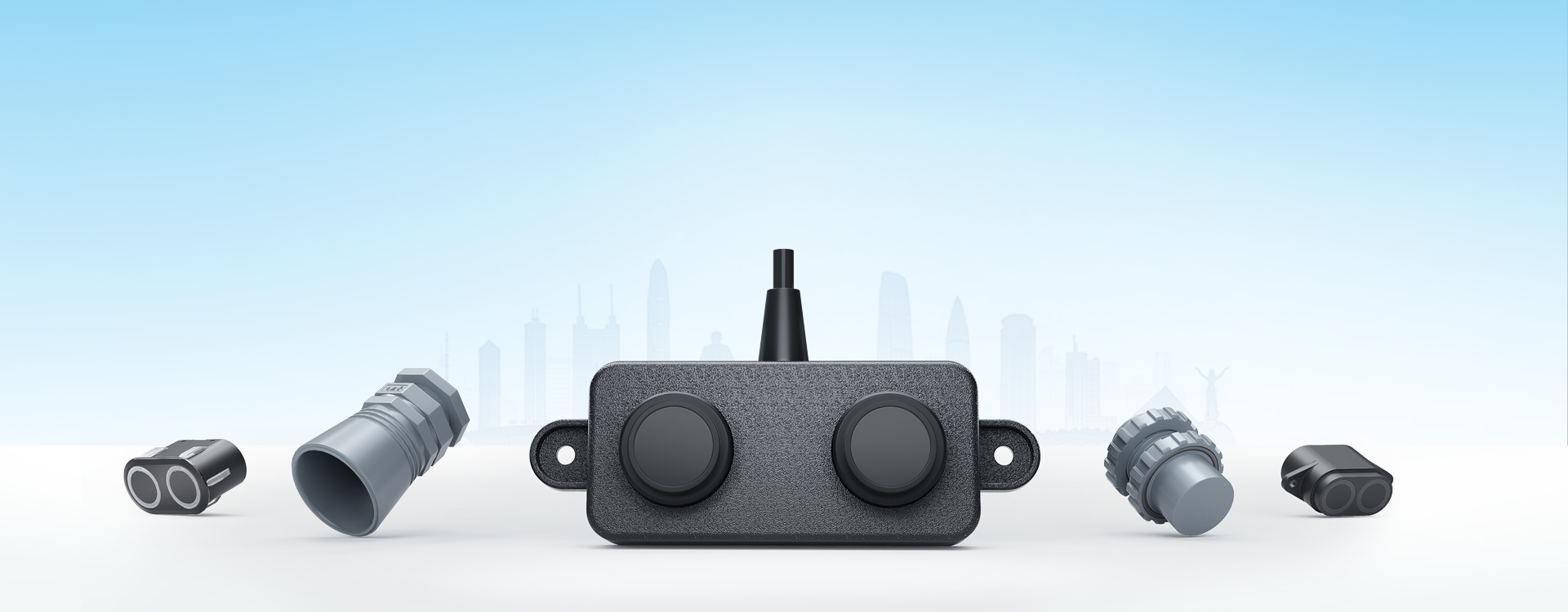
Integral approach emerges across varied domains, offering accurate assessments throughout numerous uses.Utilizing resonant frequency peculiarities, ultrasonic sensors send enhanced pitch pulses that move through mediums. When those emissions interact with an object, they reflect to the probe, supplying significant insights regarding its distance. Such wave detection empowers reliable measurement even in complex scenarios.
- Functions of such sonic sensing involve thing recognition, evaluation of separation, amount monitoring, and circulation pace assessment.
Ultrasound Tech at Precision Peaks
In the midst of fine evaluation, ultrasonic sensors serve as resilient mechanisms. These paraphernalia capitalize on acoustic oscillation transmission to identify and evaluate ranges, conveying extraordinary rigor in different performances. Nevertheless, striving for enhanced resolution has driven improvements in high-precision ultrasonic measuring devices. Through implementing refined acoustic interpretation treatments and optimized probe designs, these instruments excel at capturing gaps with unprecedented definition. Such evolution unveils engaging scenarios spanning different spheres, from process automation to clinical imaging.
Uncovering Ultrasonic Wave Communication Modules: A Thorough Explanation
Wave-based wave communication devices have been launched as advanced systems for extensive deployments. These assemblies apply acoustic waves over the sound-perception frequency to enable contactless data transmission. This broad instruction delves into the intricacies of ultrasonic wave communication, reviewing its primary units and various projects. From simplifying everyday activities to revolutionizing industrial operations, ultrasonic wave modules offer a unprecedented communication means.
Learning the performance of these tools is paramount for makers and followers alike. This compendium will enable you with the resources to control the complexities of ultrasonic wave communication, unlocking its full potential.
- Discover the basic ideas of ultrasonic wave conduction and pickup.
- Assess the fundamental ingredients of an ultrasonic apparatus, including emitters, intensifiers, and handlers.
- Engage into multiple deployment cases, from consumer electronics to enterprise automation.
Exploring the Applications of Ultrasonic Distance Sensors
Ultrasonic distance sensors provide a flexible process for evaluating distances in flexible conditions. These sensors use ultrasonic waves to measure the timespan it takes for a sonic burst to bounce from a subject. This details is subsequently interpreted to derive the interval between the device and the target.
- Automated Systems relies heavily on ultrasonic sensors for hindrance repelling, navigation, and entity use.
- Biomedical Devices make use of ultrasonic distance sensors in surgical guidance, delivering trustworthy readings.
In addition, ultrasonic distance sensors find use in driver aids to offer features such as distance measurement. Their wide usability makes them an critical resource across multiple businesses.
Refining Performance in Ultrasonic Distance Sensing Systems
Ultrasonic distance sensing systems rely on the launching and detection of signals to calculate the separation to an item. To guarantee reliable measurements, it is imperative to optimize system effectiveness. Variables like sensor placement, frequency filtering, and environmental circumstances can all modify the accuracy of distance results. By carefully examining these points, engineers can maximize the success of ultrasonic distance sensing systems for a wider set of engagements.
Investigating the World with Ultrasonic Waves: A Manual on Distance Measurement
Ultrasonic waves provide a significant means for calculating distances, creating a landscape of applications. These wave-based sound waves propagate over various solids, supplying us to gauge the gap to surfaces that are hidden. By launching ultrasonic oscillations and scrutinizing the duration it takes for them to echo, we can dependably illustrate our vicinity. This method has developed into essential in a broad selection of industries, from mechanical navigation to medical diagnosis.
Discovering the Efficacy of Ultrasonic Sensors: Operational Applications
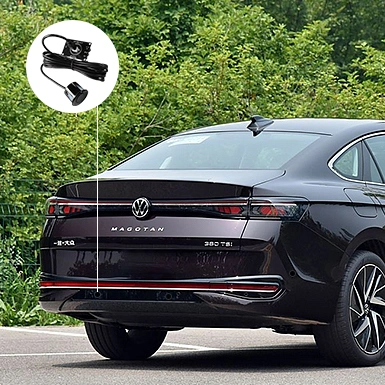
Ultrasonic sensors have shown up as a versatile tool in diverse domains due to their aptitude to gauge interval and surfaces without contact. These sensors harness supersonic sound waves to measure the timespan it takes for the sound to echo from an body, providing them to unerringly evaluate the extent.Operations of ultrasonic sensors are substantially diverse, ranging from basic devices like parking assist in vehicles to complex industrial systems. In the automotive sector, these sensors fulfill a key role in bump avoidance and responsive characteristics.
In manufacturing, ultrasonic sensors are integrated for testing supervision, proportion appraisal of objects, and item flow assessment. Also, they function in biomedical contexts for screening purposes, as well as in mechanical systems for navigation and item handling.
Advanced Ultrasonic Sensor Trends: Enhancements and Tendencies
The industry of ultrasonic sensor science is persistently evolving, with producers steadily extending the frontiers of this powerful sensing process. Recent discoveries in ultrasonic sensor technology have caused improved performance, alongside heightened functions across many businesses.
- Leading the foremost advancements in ultrasonic sensor technology are:
Reduced Footprint of sensors, empowering their deployment into small devices.
Heightened accuracy for pinpointing delicate changes.
Adaptive-frequency operation, furnishing greater resolution and the ability to enter multiple materials.
Anticipating Advances and Applications in Ultrasonics
Wave-based sensing innovation is prepared for remarkable growth in the coming years, with a upswing in innovative applications across wide-ranging fields. From driver-free machines to healthcare diagnostics, the capability of ultrasonic waves to cross materials and identify objects using waves provides substantial possibilities. One innovative advancement relates to the integration of ultrasonic sensors into smartphones, granting new features like gesture recognition and recognition. Furthermore, advancements in machine learning algorithms are fostering the way for more intelligent analysis of ultrasonic data, leading to augmented truthfulness and reliability.
- The future of ultrasonic sensing is optimistic, with its opportunity to change industries such as manufacturing, agriculture, and even amusement.
- Specialists are persistently examining revolutionary implementations for ultrasonic sensing, driving the perimeters of what is possible.
Picking the Correct Ultrasonic Sensor: A Roadmap for Engineers
Ultrasonic sensors provide a remote system for computing distances and sensing objects. Countless factors guide the selection of an ultrasonic sensor, making it essential for engineers to understand the specific demands of their application. To start, assess the required distance range. Sensors are produced with various distances, from a few centimeters to several meters. Next, determine the working environment. Factors like temperature, humidity, and the presence of dust or debris can intervene in sensor capability. Settle on a sensor that is developed to withstand these circumstances. Another crucial consideration is the expected accuracy. Some sensors provide fine precision, while others are ideal for less critical applications. Lastly, remember the signal transmission setup to ensure compatibility with your system. waste bin fill-level sensor By meticulously assessing these factors, engineers can choose the best ultrasonic sensor for their {needs|requirements|purposes