segment targeted direct current micro motor industrial output?
Introductionrelating to each extensive discussion pertaining to sensorless brushless motors along with micro planetary geared electric motor these automation use cases.
brushless electric motors offer a robust option to traditional mechanical commutated motors in numerous uses. These devices make use of effective electromagnetic elements and careful intelligent systems to induce rotational moment. This removes the reliance for slip rings, initiating greater functionality, cut down maintenance tasks, and boosted useful lives.
- Besides, brushless DC motors demonstrate noise-free operation, compact size, and excellent torque-to-weight ratio.
- As a result, they function in a wide spectrum of deployments, such as
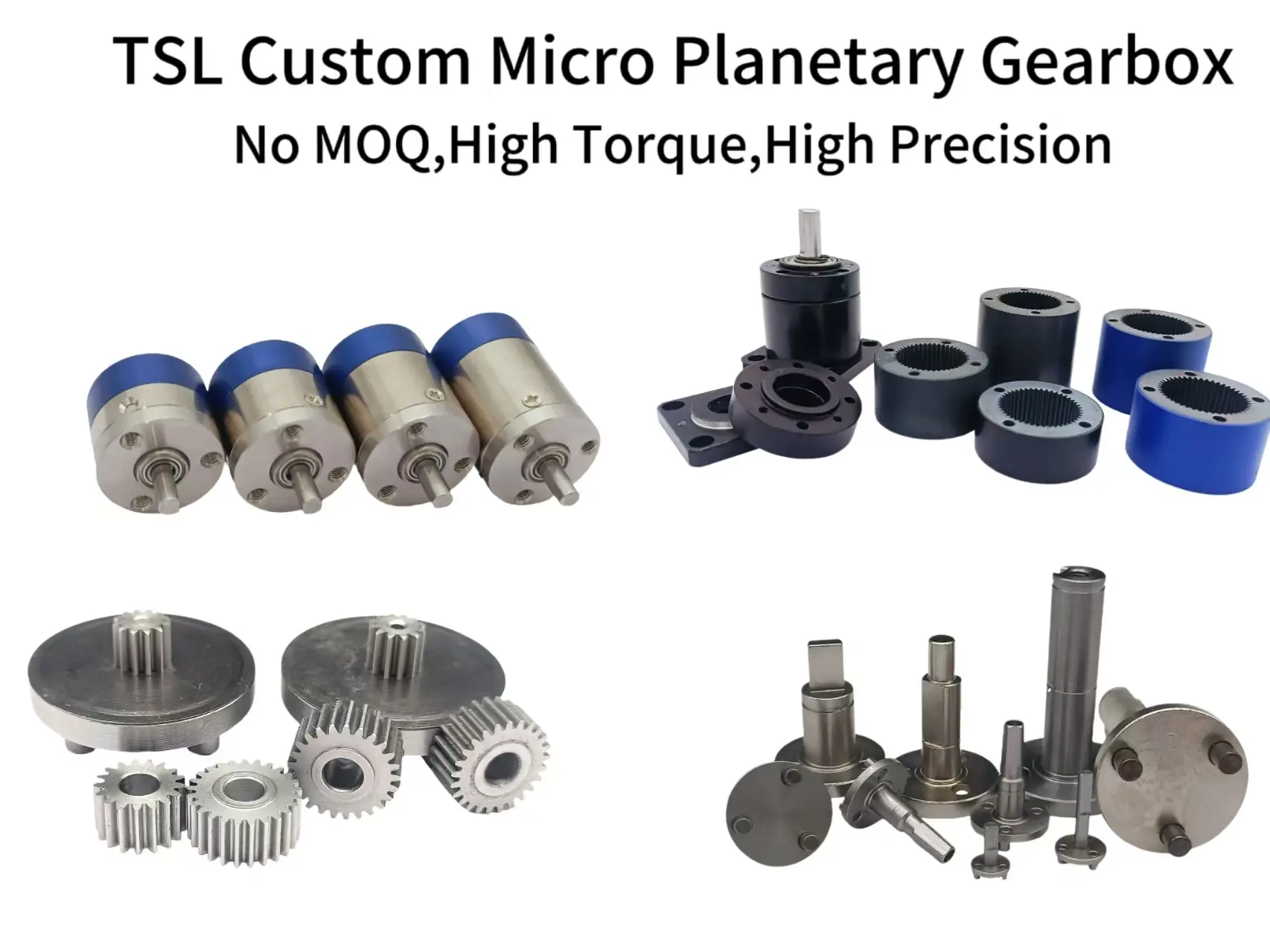
Micro Gear Motors for Precision Motion Control
Mini micro gear motor units deliver impressive accuracy in diverse applications. These diminutive motors apply complex reduction gears to deliver meticulous actions with substantial force. Their excellent precision renders them excellent for industries such as robotics, medical devices, and engineering.
- Compact micro gear units include exact adjustment and hushed operation.
- Flexible designs supports customization to suit interest-specific application requirements.
- As a result of development, micro gear motors are becoming more cost-effective.
Mini Stepper Motor Applications in Robotics and Automation
Micro stepper drives yield solid and small solutions for strict motion control inside a variety of robotics and automation scenarios. These highly efficient motors engage magnetic fields to produce rotational movement with subtle incremental steps, rendering them optimal for activities requiring spot-on positioning.
- Deployments for mini stepper motors stretch robot arms to consumer electronics and healthcare equipment.
- Minimal bulk allow integration into restricted zones, while their superior output power provides successful performance.
- In addition, mini stepper motors demonstrate low noise operation and minimized pulsation, making them appropriate for purposes where noise reduction is vital.
Choosing 12 Volt DC Gear Motor
While deciding on a 12V DC gear motor for your project, there are assorted factors to review. Foremost, determine the crucial torque and speed. This depends on the load that the motor will be operating. Next, assess the reduction ratio of the gear configuration. A higher reduction ratio provides more torque at lower speed.
Moreover, take into account the motor's effectiveness and thermal properties. Also, the motor's physical scale should align with your application.
Conclusively, it's essential to select a credible manufacturer and ensure that the motor meets sector specifications.
Learning Brushless DC Motor Behavior
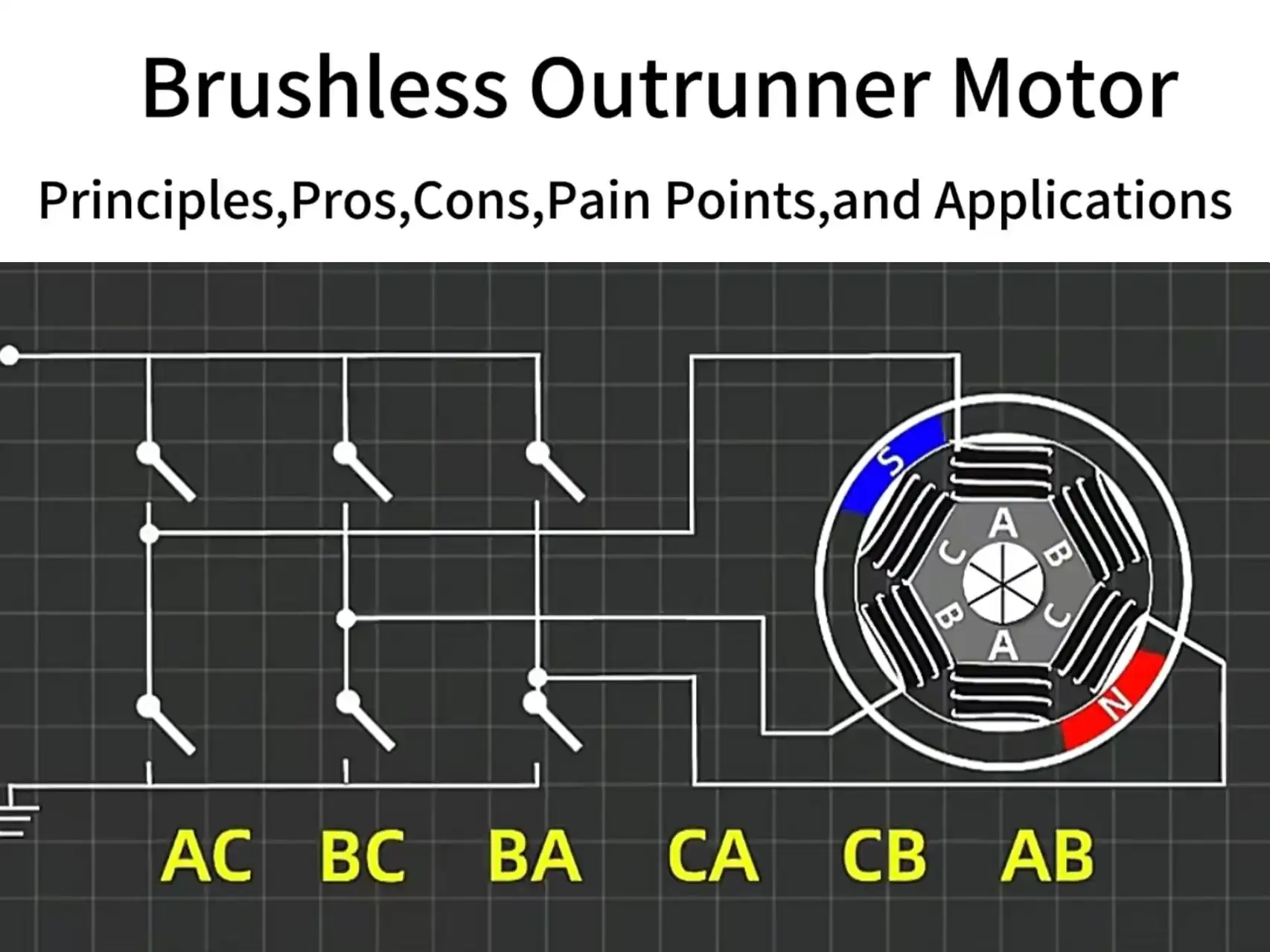
A digitally controlled DC motor works as a type of electric motor that takes advantage of constant magnets to rotate a shaft. Unlike mechanical brush DC motors, these motors scatter the mechanical contacts required for current flow. This architecture grants several merits, such as increased power output, reduced maintenance, and a less noisy operation.
Working of a brushless DC motor is governed by the interaction between the armature magnets and a series of electromagnetic coils. These conductive elements are arranged in a specific layout to create magnetic influence that interact with the rotor magnets. This interaction induces moment that causes the shaft to rotate.
To regulate the motor's rpm and direction, a control circuit provides varying pulses of current to the stator coils. The scheme of these pulses determines the magnetic field orientation in the stator, which in turn dictates the rotor's position and angular velocity.
High Performance Micro Gear Motors for Industrial Use
Within modern industry, accuracy and productivity are imperative. Producers endeavor for modern means to enhance their facilities and achieve high performance. Precision micro gear units have risen as a integral aspect in this process, providing compact yet robust mechanisms for extensive applications.
Top-class micro gear motors offer exceptional torque output, supporting them to offer major power within a tight footprint. These motors are built with tough materials and state-of-the-art designs to survive challenging operating environments and ensure reliable performance over extended periods.
- Pioneering gear systems limits friction and wear, maximizing efficiency and securing motor functional life.
- Fine control mechanisms enable refinement of speed and torque, satisfying numerous industrial criteria.
- Combined encoders supply accurate location feedback, augmenting system consistency and fineness.
From automation and robotics to medical devices and consumer electronics, superior micro gear motors are enhancing industries by granting compact, powerful, and precise drive solutions.
Tiny Stepper Controller Modules and Applications
Stepper motors offer precise movement control in diverse uses. Miniature stepper motor driver circuits are vital for controlling these condensed motors. These circuits often apply integrated components specifically designed for driving stepper motors, delivering capabilities like current regulation, direction turnover, and rotational speed control.
Functions for miniature stepper motor driver circuits are broad, spanning branches such as robotics, robotics automation, consumer appliances, and diagnostic tools. They can be found in domains like precision locationing, product handling, feedback mechanisms, and interactive panels.
Pros of Twelve Volt DC Gear Motors
12V DC gear motors grant a extensive range of merits for several applications. Their compact size makes them suitable for small spaces, while their high torque output enables them to support heavy loads with ease. 12V DC gear motors are also known for their operability, saving energy and functioning soundlessly. They offer careful control, making them suitable for tasks requiring fine movements. Furthermore, these motors are sturdy, able to withstand harsh conditions and provide unfailing performance over time.
Understanding BLDC Motor Efficiency & Power Density
Brushless DC (BLDC) motors are known for their exceptional performance, consistently outperforming their brushed equivalents. This superior efficiency stems from the absence of friction-causing brushes, minimizing energy loss. Moreover, BLDC motors showcase a remarkable power concentration, enabling them to furnish substantial power within a relatively small size. This mixture of maximum performance and power density makes BLDC motors ideal for a wide array of applications, consisting of electric vehicles, robotics, drones, and consumer electronics.
- Important variables affecting BLDC motor efficiency include magnetic layout, magnet kinds used, control algorithm employed, and operational conditions.
- Maximizing power density in BLDC motors typically involves using strong magnetic materials, optimizing winding configuration arrangements, and employing modern engineering techniques.
Ongoing innovations in BLDC motor technology move to push the boundaries of efficiency and power density, making them an augmenting popular choice for diverse industries.
Analyzing Micro Gears, Steppers, and DC Gear Units
Determining the right motor necessitates understanding the characteristic traits of each type. Micro gear motors, stepper motors, and DC gear motors all hold diverse advantages and challenges. Micro gear motors are characterized by their compactness, making them suitable for restricted spaces. Stepper motors offer precise exact placement, making them advantageous for applications requiring specific steps. DC gear motors combine a synthesis of power and productivity.
- Consider the torque levels of your application.
- Assess the required speed and positional tightness.
- Take into account the operating conditions.
By comprehensively reviewing these parameters, you can hire the motor that best fulfills your special requirements.
Installing Brushless DC Motors in Devices
Brushless DC motors offer exceptional capability and strength, making them a popular choice for a wide range of applications. Adding these motors into your projects can considerably improve their overall efficiency. Before starting, it's imperative to be aware of the basics of brushless DC motor operation and choose the appropriate unit for your requirements. A thorough knowledge of control signals, monitoring, and control hardware is crucial for optimal integration.
- Factors to take into account when identifying a brushless DC motor
- Device specifications and parameters
- Directive signals and communication protocols
- Feedback systems for accurate positional, velocity, and torque control