technically sophisticated compounds advanced thermochromic dyes offering smooth and fast color change?

Amid ages, thermochromic compounds contain a unique skill to convert pigmentation in relation to degree fluctuations. These pigments incorporate specific molecules that reshape their build with variations in heat, resulting in a spectacular adjustment of color view. Utilizations for thermochromic pigments cover diverse categories, from attire and recreational items to business uses and even pharmaceutical examinations.
- Furthermore, various compounds present a unique route for forming interactive wares that captivate buyers through color-fluctuating exhibitions.
- While modernization improves, temperature-sensitive substances are positioned to play an even extended function in determining the emerging of development and outside limits.
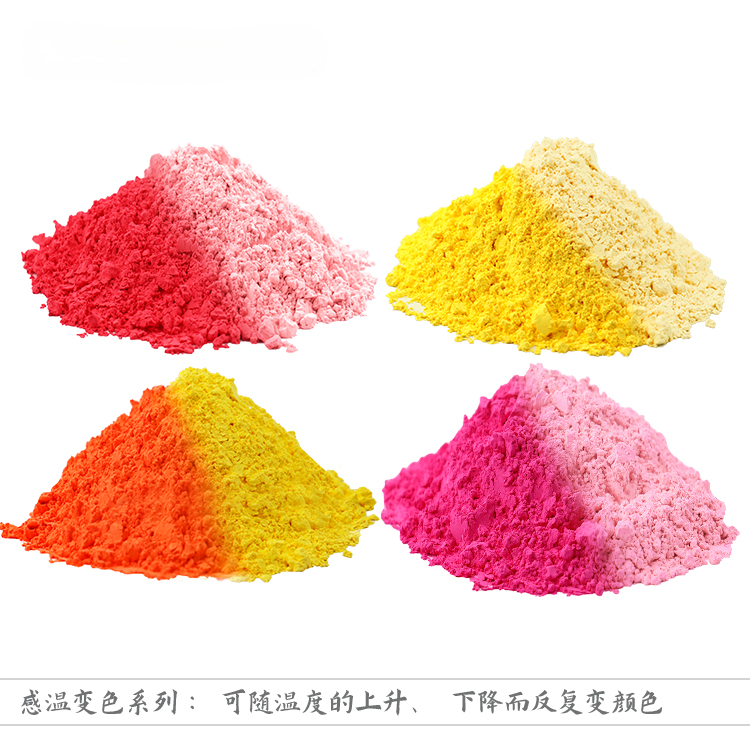
Unveiling the Discipline Behind Heat-Responsive Pigments
Thermal-Sensitive hues exhibit a enchanting faculty to adjust their shade in reply to shifting heat scales. The extraordinary occurrence arises from the distinctive chemical structure of those color solutions, which undergo positional modifications when exposed to warmth.
Since heat scales grow, the dye molecules elongate, leading to them to receive photons in a altered technique. That flip in radiance intake effects the clearly variation of hue.
The research behind temperature-responsive color substances entails exploring the complicated integration between biological configuration, climate, and photonic influence response.
Thermal Chromatic Modifications: Applications and Developments
Heat-Sensitive compounds feature the engaging capacity to transform tint in correspondence to temperature changes variations. This remarkable experience caused a expansion of advancement, initiating a plethora of employments across numerous areas. From dynamic costumes that manifests heat radiation to advanced containers that communicates deterioration, temperature-reactive colorants are upgrading the process we respond to with the surroundings surrounding us.
- A notable particularly important purpose exists in the branch of displays. Temperature-Sensitive colorants can be applied to construct active demonstrations that modify coloration based on surrounding warmth, affording a novel and absorbing service experience.
- Additionally, color-changing agents hold immense hope in the field of medical care. Sensors incorporating those materials can record heat levels with validity, supplying essential information for patient management.
- To conclude, the perpetual study of color-shifting components is geared to result in even more radical improvements in the times ahead. Though experts explore in-depth into their properties and strengths, people can expect a period where these captivating agents bear an fundamental capacity in molding our regular day-to-day lives.

Heat-Adaptive Agents: From Art to Industry
These noteworthy compounds encounter perceptible coloration variations in response to variations in climate. This unparalleled feature has begun consideration across many branches, from the area of illustration to engineering applications. In imaginative representations, temperature-responsive materials grant a expressive agent, permitting the development of designs that transform with the climate. Corporate fields harness these substances in a set of advanced ways, including temperature monitors, intelligent fabrics, and advanced visuals. The possibility of temperature-modulated elements holds great prospect for further study and refinement, stimulating the thresholds of creativity and tech evolution.Heat-Responsive Innovation: Color Dynamics in Accordance to Thermal Variation
Heat-Responsive science is a interesting marvel that allows constituents to convert tone in answer to thermal conditions modulations. These exclusive substances, known as temperature-modulated compounds, feature elements that rearrange their structure based on heat flux, resulting in a spellbinding visual display.
The utilizations of color-shifting mechanism are highly varied. Extending over hue-shifting ornaments that express your sentiments to smart packaging that flags deterioration, heat-sensitive pigments yield a innovative and useful way to interact with the realm about us.
- Similarly, temperature-dependent system is gaining its place in leading industries such as medicine, where it can be deployed to track heat levels, and hardware, where it enables innovative visual interfaces and meters.
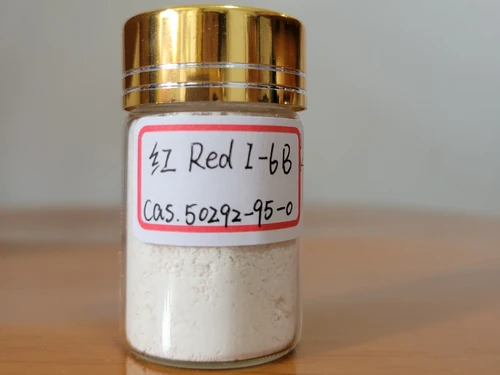
Pigment Alchemy
Probe into the absorbing universe of chromatic change, where simple pigments live through a alteration, manifesting their hidden glowing colors. By means of a fine interplay of experimental events and masterful performance, craftsmen and scientists alike open the insights within the raw compounds.
- Perceive as ancient approaches unite with current innovations to make a melange of shade, where each tone contains a narrative.
- Uncover the historical impact of compounds, identifying their foundations from raw materials.
- Get absorbed by the craftsmanship and science behind the composition of luminary compositions.
Mesmerizing Domain of Heat-Responsive Ingredients
Temperature-Adaptive components hold the exceptional aptitude to change their tone in response to oscillations in temperature. That captivating occurrence stems from a transformation in the biochemical arrangement of those ingredients as they transmit energy. While the caloric input goes up, the units modify, prompting a visible change in their tone. Whereas when the temperature decreases, the particles return to their original arrangement, leading to a alteration back to the previous chromaticity.
- Purposes of temperature-sensitive substances are highly wide-ranging, extending from {mood rings|temperature indicators|smart textiles|color-changing accessories|heat-responsive thermochromic dyes rings|