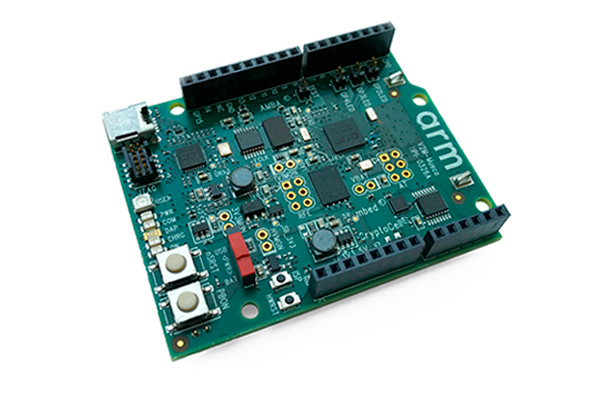
Uncovering future-proof computing modules Is x86 vs arm a critical decision for selecting SBC hardware

Since the beginning, the IT field has been led by two chief designs: both ARM and x86. Each system exhibits exclusive benefits, leading to a fierce competition for market share. While x86, the senior technology, has long held the crown in personal computers and data center industries, ARM's development has been significantly striking.
The efficiency edge of ARM, coupled with its malleability, has made it a top choice for smartphones and embedded platforms. However, ARM is now pursuing to conquer new frontiers, including mobile workstations and backend facilities. The drive has inspired the existing x86 powerhouses, who are shifting with progressive approaches to maintain dominance.
- Essential variations in blueprints determine system responsiveness, power consumption, and overall system design.
- The advancing necessities of software makers are driving the demand for more enhanced computing solutions.
In summary, the fight between ARM and x86 represents an adaptable and progressing domain, with both platforms continuously evolving to meet the demands of a rapidly changing world. The outcome of this contest remains to be seen, but one thing is certain: the future of computing will be shaped by the innovations and advancements of these two titans.
x86 vs armChoosing Between ARM and x86 A Performance Showdown
Amid the constantly changing IT environment, selecting the ideal computing blueprint can be a complex assignment. Two titans dominate the market: ARM and x86. Both offer compelling attributes, but their performance properties diverge significantly. This thorough analysis delves into the essentials of each architecture, empowering you to make an informed choice.
- Speed
- Energy Efficiency
- Price
We will examine test results, real-world scenarios, and the strengths of each architecture, helping you select which platform best suits your required specifications.
Rationale for ARM Leading x86 in Embedded Applications
ARM units maintain leadership in embedded apparatus areas. This preeminence results from assorted notable origins. First, ARM's schema features low wattage, making it ideal for devices with limited power budgets. Second, the ARM ecosystem comprises an ample and dynamic team of developers and hardware partners, providing ample support and modernization. Finally, ARM's accessible framework permits adjustments for specific applications, leading to a wide range of remedies. These factors have merged in securing ARM as dominant for countless embedded devices, from smartphones to smartwatches and even industrial automation.
Superior x86 SBC Options for Power Tasks
Deciding on the right x86 SBC involves tough considerations, especially when you're a demanding tinkerer. You need a device that can facilitate hefty operations, offer solid throughput, and provide a platform for intensive projects.
- Countless components determine the superior SBC alternative, including processing power, RAM capacity, storage options, connectivity features, and community support.
- For committed technical users, a board with a powerful x86 processor like an Intel Core i5 or AMD Ryzen 5 is essential.
- Paired with generous memory and high-speed storage demand for smooth and efficient operation.
Refrain from settling for bare essentials; invest in a platform that can totally strengthen your ambitions.
A Comprehensive Overview of x86 SBCs
Surveying cost-efficient x86 SBC hardware reveals expansive possibilities. These versatile systems deliver diverse capabilities to enthusiasts. From building networked dwellings to programming tools, x86 SBCs provide a flexible, cost-effective platform for innovation. This guide will enable mastery over the growing field of x86 SBCs, highlighting benefits of these adaptable machines.
- Explore the history of x86 SBCs and their impact on the technological landscape.
- Evaluate standard x86 SBC offerings by capacity and suitable markets.
- Fathom primary parts comprising x86 SBC configurations.
- Research runtime platforms and developer tools linked to x86 SBCs.
- Discover innovative applications for x86 SBCs across various industries.
The Rise of ARM in Desktop Computing
Although historically recognized for superiority in portable gadgets, ARM architecture is steadily making inroads into the desktop market. Several factors contribute to this trajectory, including the increasing demand for energy-efficient computing and the growing popularity of cloud-based applications. Organizations like Apple implement ARM solutions for MacBook computers, demonstrating the potential for high power. This trend is further fueled by the development of new frameworks specifically tailored for desktop workloads. As these innovations mature and become more widely available, we can expect to see ARM's presence expand substantially within forthcoming periods in the desktop market.
Selecting Between x86 and ARM To Match Your Computing Demands
When choosing a computing unit, two major design philosophies present: x86 and ARM. Both offer distinct capabilities, making the decision a matter of coordinating your needs with the right platform.
Time-honored x86 version is valued for steadfast processing and a plentiful software pool It controls in desktops, laptops, and workstations, particularly for demanding tasks like gaming or video creation. ARM, on the other hand, stresses energy efficiency and a compact design. This forms it ideal for mobile devices, embedded systems, and increasingly, server farms.
- Think about your main application reason: Are you a digital artist? Do you need raw power or optimized energy consumption?
- Survey supported applications for each system. Not all applications are available on both platforms.
- Weigh expenses and market supply relative to your preferred system.
Minor but Potent Mainstream ARM Boards
Single board machine sector boomed with ARM platforms favored for adaptability and resourcefulness. These compact devices pack a surprising punch, offering incredible capabilities within a miniature footprint. For hobbyists, makers, and even professionals, ARM-based SBCs provide a economical platform for everything from learning about electronics to building fully functional solutions. Whether you're looking for a budget-friendly option or a high-performance powerhouse, there's an ARM-based SBC out there to meet your needs.
- Join us in investigating prominent choices in this growing industry!
Analyzing ARM and x86 Computation Tests
When comparing ARM versus the established x86 model through performance metrics we notice intriguing outcomes. While x86 has traditionally commanded execution strength, particularly for compute-heavy uses, ARM configurations tirelessly bridge divides, especially in areas like mobile performance and energy efficiency. The recent surge in popularity of ARM-based logic units incorporated into mobile and home computing further fuels this conflict. It's important to note that benchmark results can be influenced by a myriad of factors, including the specific version under review, task demands, and operating platform. Therefore, it's crucial to consider statistics with insight beyond figures.
Are we seeing ARM Substitute x86 as Main Architecture
The silicon world undergoes ongoing transformation, and one of the most captivating patterns highlight ARM's expansion. While x86 has long ruled the market, ARM's power-saving capabilities become increasingly appealing. This has led to speculation that ARM likely override x86 as the chief architecture.
- Many reasons support this transformation: ARM's resource-sparing configuration draws interest from smartphones, notebooks, and server farms.
- Also, ARM's approachable licensing schema fosters progress within networks, producing a broad spectrum of silicon solutions.
However it is important to recognize that x86 still holds a strong position. Leading enterprises channel considerable assets into x86 R&D, and older architectures remain active in various environments.
Therefore the future is unpredictable concerning ARM's total dominance over x86. The innovation trajectory rests on joint utilization of both models, with each contributing separately to unique usage domains.
The Future of Computing A Look at ARM and x86 Convergence
The informatics sector accelerates changes. Once distinct architectures, ARM and x86 are now on a collision course, converging to reshape the future of processing power. This convergence fosters exceptional solutions for developers and consumers alike. ARM's energy efficiency and compact design have made it the dominant force in mobile devices, while x86 has long reigned supreme in desktops and servers. However, these distinctions are becoming less clear-cut, driven by factors such as the increasing demand for mobile computing and the rise of cloud services.
- This synthesis presumably fosters a diversified product spectrum, powered by hybrid architectures that harness capabilities from both structures. This could result in stronger handheld devices lasting longer along with resource-saving server units.
- In addition innovators acquire more assorted programming aids, enabling them to create innovative applications that push the boundaries. The future of computing appears to be promising, with ARM and x86 convergence playing a pivotal role in shaping the next generation of technology.